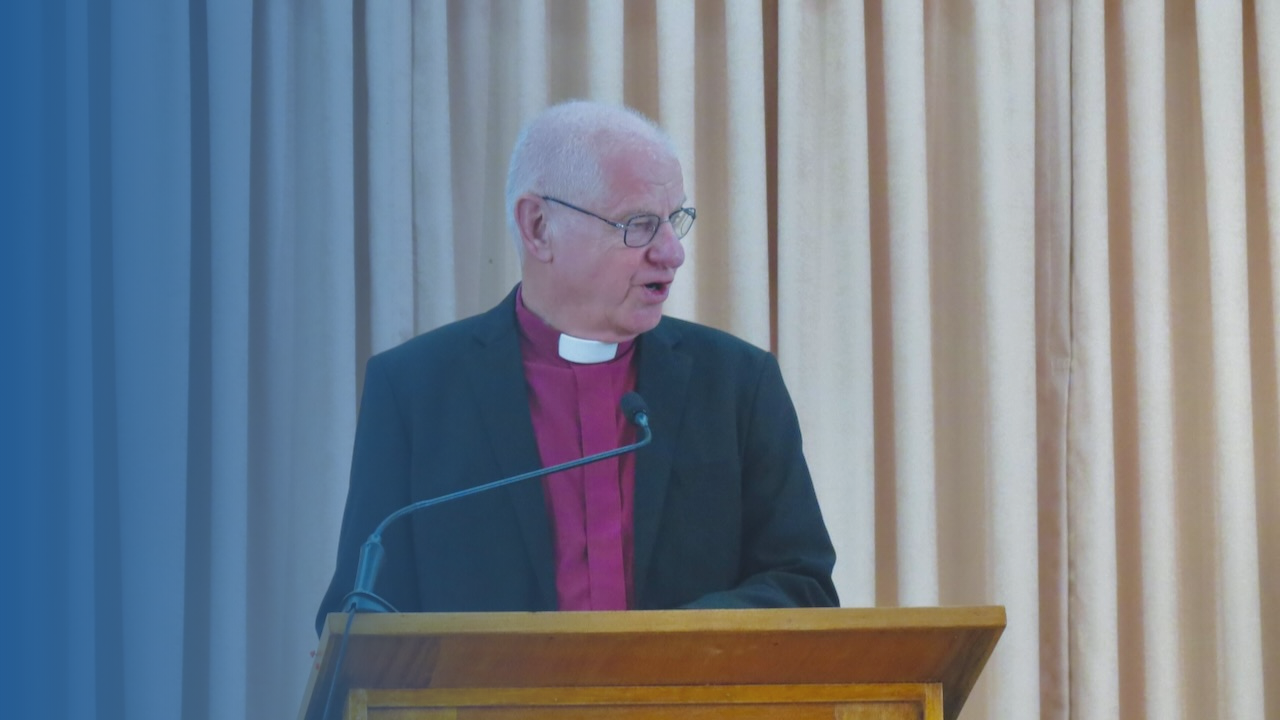
Ordination
The Church of England has historically ordained ministers in two stages: first as a deacon and then as a priest (presbyter). This pattern reflects the historic practice of the Church and is preserved in the Ordinal of the Church of England. The Timothy Track seeks to provide a faithful pathway through both stages of Anglican ordination.
Ordination as Deacon
Ordination as a deacon marks a candidate's entry into ordained ministry.
Deacons are called to serve Christ and his Church, assist in leading public worship, preach and teach God's word, care for those in need, and support the ministry of the local church.
The diaconate is both a distinct ministry and a period of preparation for presbyteral ministry. During this time, newly ordained ministers gain experience in pastoral leadership, preaching, evangelism and the practical responsibilities of ordained service.
Candidates who are recommended for ordination through Timothy Track are invited to be ordained as ‘missionary clergy’ deacons by REACH South Africa, an Anglican province whose orders are recognised within the Church of England. Two of these ordination services have already taken place, with 14 new deacons having been ordained by Bishop Martin Morrison.
Ordination as Priest (Presbyter)
Following a period of ministry as a deacon, candidates ordinarily proceed to presbyteral ordination.
Presbyters share in the pastoral and teaching ministry of the Church. They are entrusted with preaching God's word, leading congregations in public worship, celebrating Holy Communion, administering Baptism, providing pastoral oversight, and equipping God's people for ministry.
There are currently three options for presbyteral ordination:
Seek to be normalised by an orthodox Church of England bishop
Be ordained presbyter in REACH South Africa
Wait for a better future solution